Contractor and Integrator Delivery•7 min read
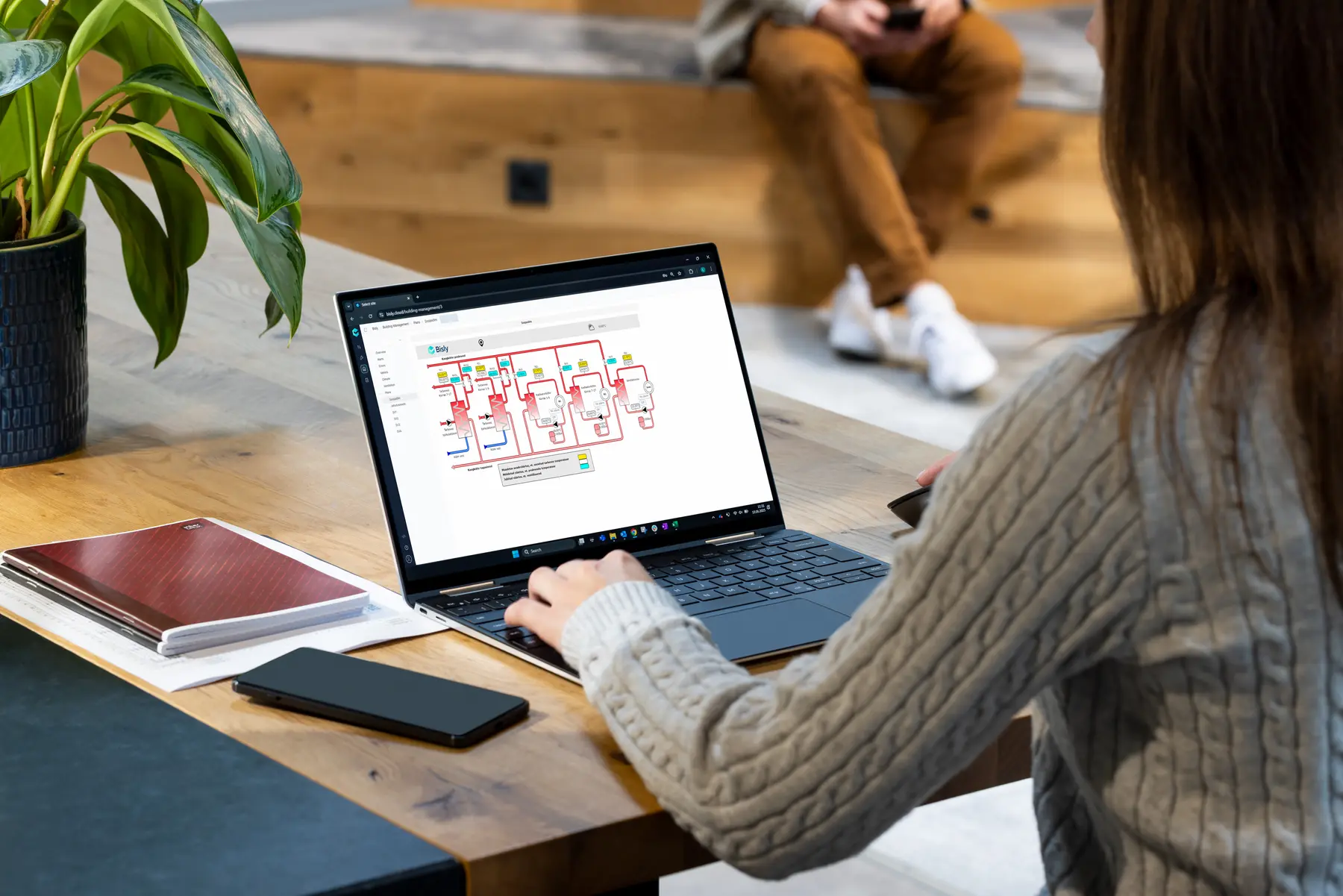
Bisly changes where building automation is configured. The digital twin exists before installation begins, and installers connect each physical device to that ready-to-run configuration by scanning it on site. The result is less manual setup, immediate verification, automatic documentation, and fewer opportunities for costly rework.
Read articleEnergy and ESG Performance•7 min read
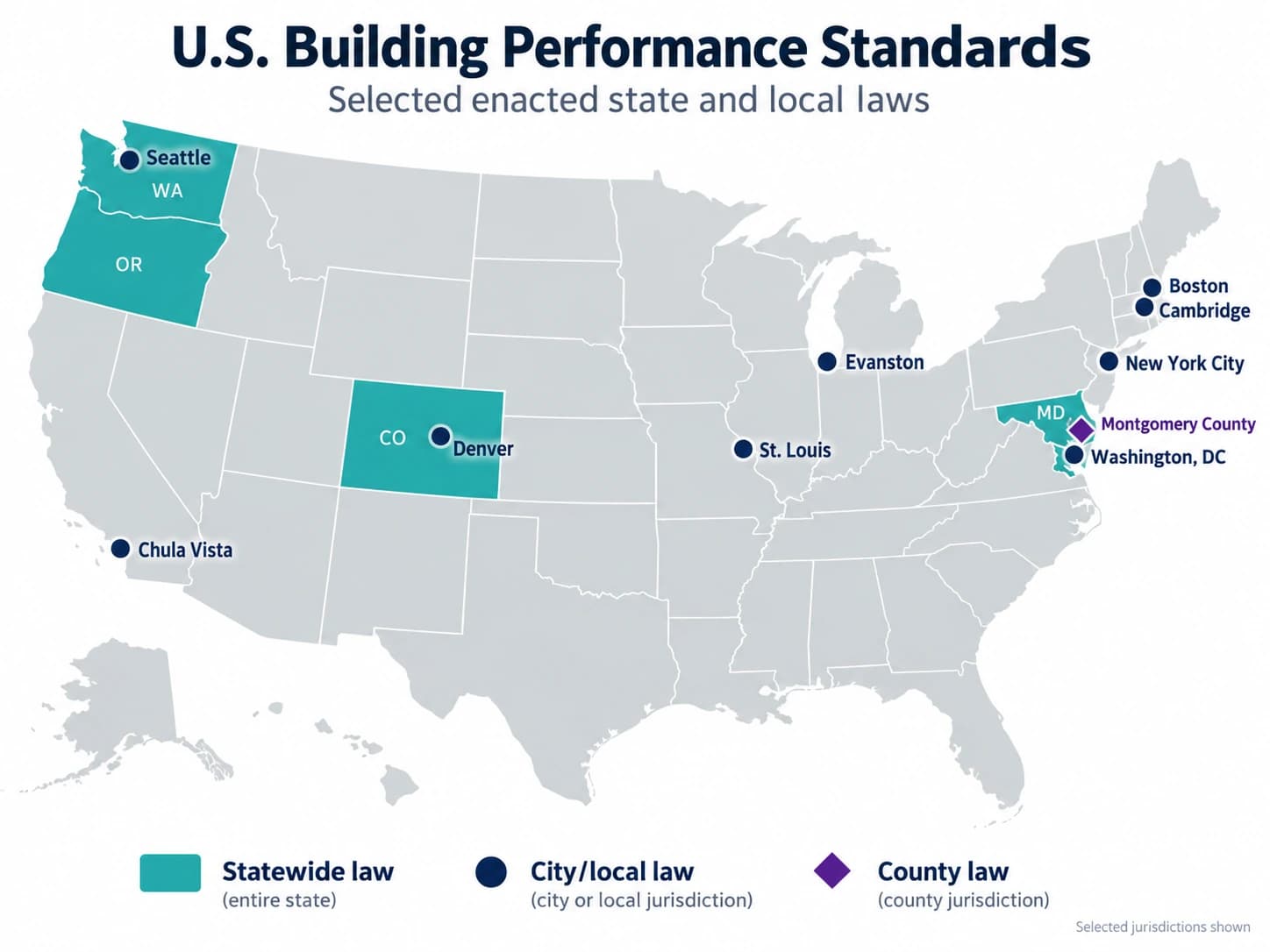
A comparison of U.S. building performance laws and why owners need adaptable automation for changing energy strategies, technologies, and compliance requirements.
Read articleEnergy and ESG Performance•5 min read
How building automation can help New York City owners reduce energy waste, address Local Law 97 emissions exposure, and prepare for future technologies and requirements.
Read articleContractor and Integrator Delivery•5 min read
Multifamily automation becomes difficult when every apartment is treated as a separate integration project. A standardized, panel-based architecture can reduce field complexity, make installation more repeatable, and create a better foundation for building-wide control.
Read articleResidential / Developer Strategy•4 min read
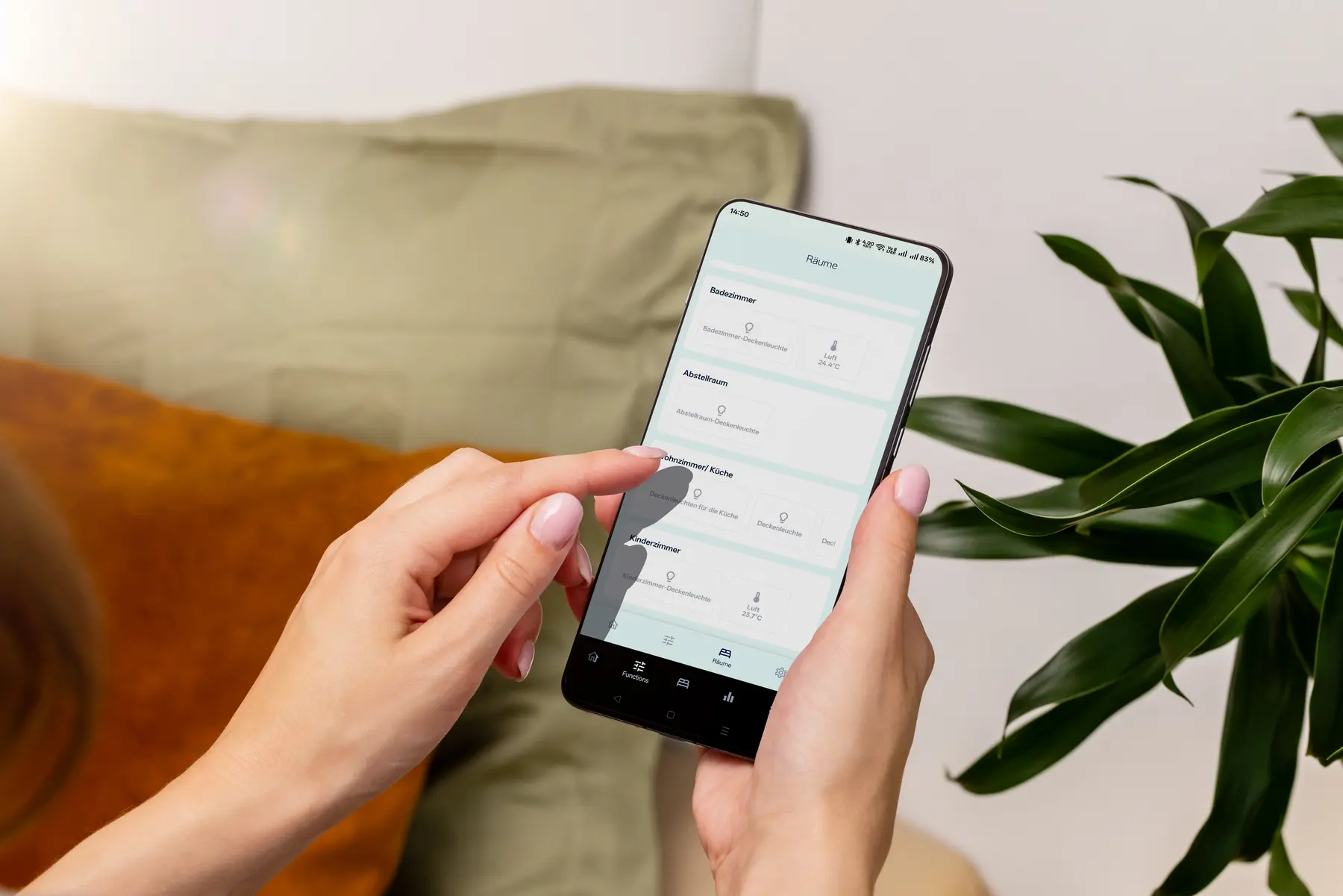
The next generation of smart apartments will be less about individual gadgets and more about building-wide infrastructure. Developers should be thinking about HVAC, lighting, access, energy, data, and operations as one connected system.
Read articleDeveloper and Investor Strategy•4 min read
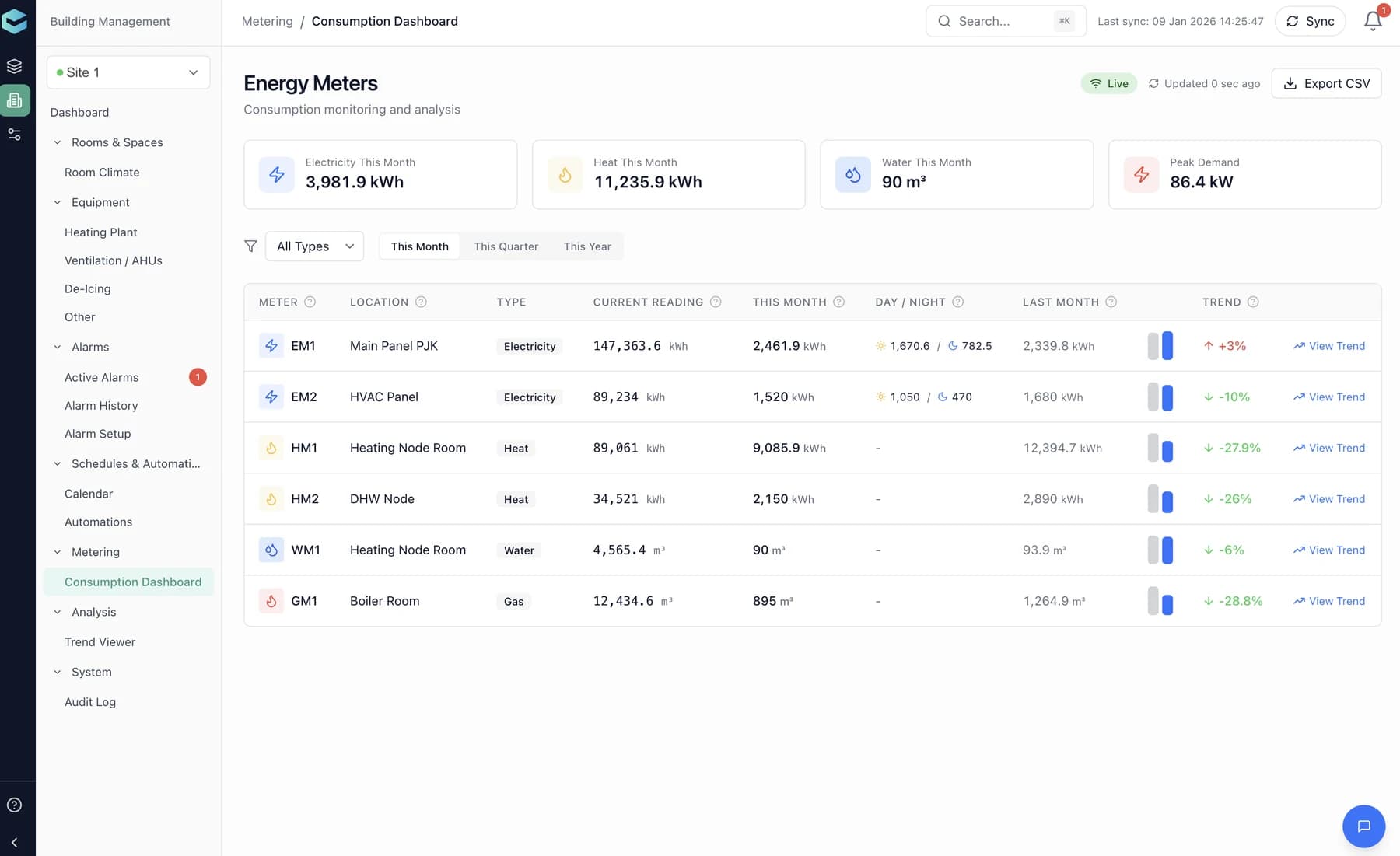
Energy dashboards tell owners what happened. Building intelligence should help determine what happens next. For portfolio owners, the real opportunity is connecting consistent energy data with the systems capable of acting on it.
Read articleDigital Twin and Lifecycle Data•4 min read
Building intelligence should not be a collection of systems added late in construction. Developers can reduce complexity and protect long-term asset value by defining the automation architecture early.
Read article